
Loading...
Serving Big Spring, TX and surrounding areas. (432) 263-5443
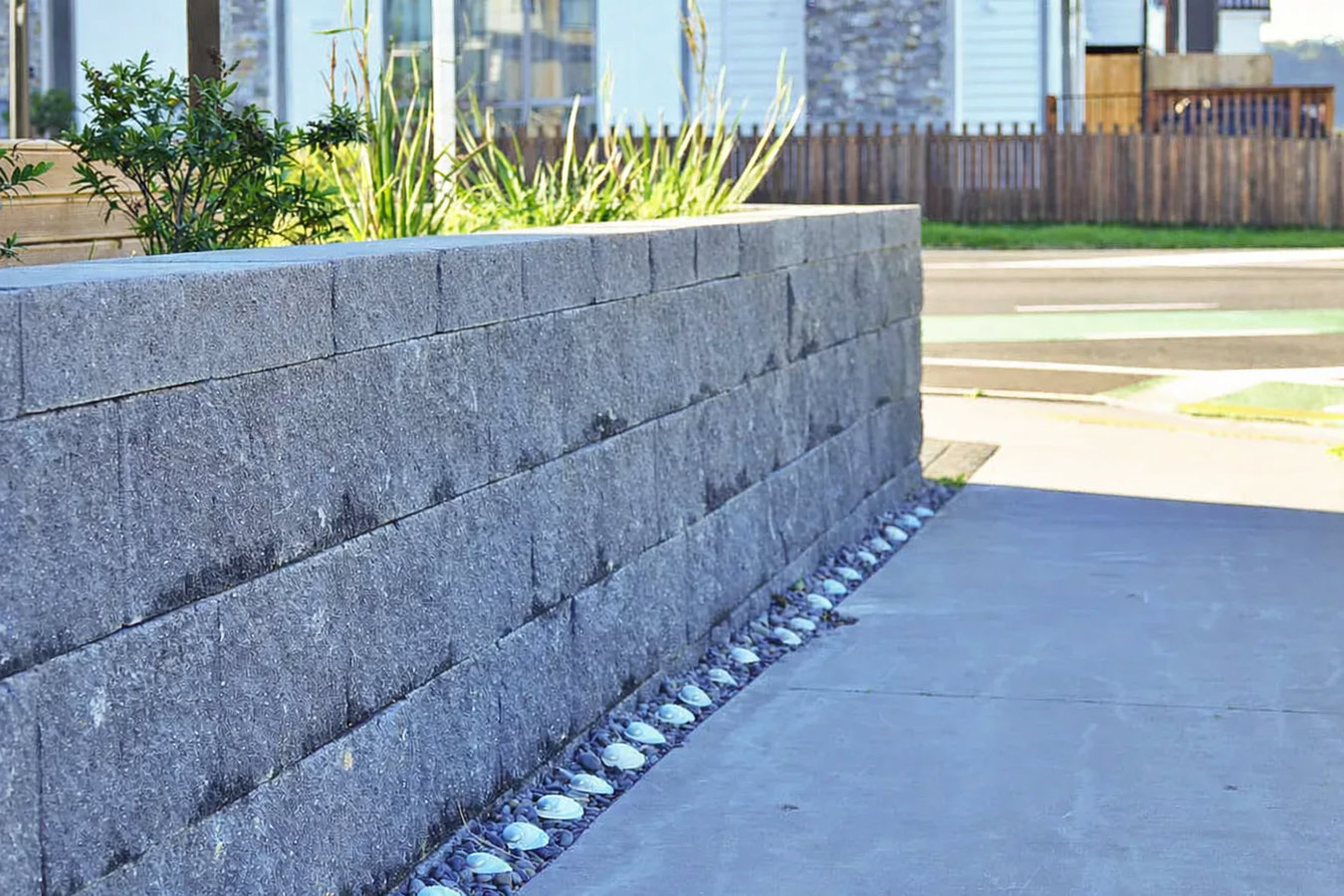
Sloping yards, washing soil, and crumbling old walls are problems Big Spring clay and storm water make worse every season - a properly built concrete retaining wall stops the erosion and turns that wasted slope into level, usable ground.
Concrete retaining walls in Big Spring, TX hold back soil that would otherwise slide or erode onto lower areas of your property, turning sloped or uneven ground into level, usable space - most residential walls take a few days to pour and form, with the concrete needing several more days to cure before backfilling can begin. The wall is poured inside steel-reinforced forms, then backfilled with gravel and compacted soil after curing. Built-in drain outlets let water escape rather than build up pressure behind the wall - a detail that matters especially in West Texas, where intense storms can saturate clay soil fast.
Retaining walls often make the most sense as part of a broader yard improvement. If you are also planning a concrete floor installation for a garage or outbuilding nearby, combining the projects means one site mobilization and consistent concrete workmanship across both surfaces.
If bare patches appear where grass used to grow, or soil collects at the base of a slope after storms, your yard is losing ground. In Big Spring, where hard storms can dump significant rain quickly onto clay-heavy soil, erosion can move fast. A retaining wall stops that cycle before it gets worse.
If part of your property is too steep to mow, plant, or use comfortably, a retaining wall can turn that wasted slope into level, functional space. Many Big Spring homeowners use walls to create flat planting beds or small patio areas on otherwise awkward terrain.
If an older wall - concrete block, timber, or poured concrete - is starting to tilt forward or show wide cracks, the pressure behind it has exceeded what it was built to handle. This is a safety concern, not just cosmetic, and it needs professional attention before it fails completely.
If a slope sits close to your home's foundation, a driveway, or a fence line and soil is slowly moving toward it, a retaining wall can stop that movement before it causes damage. The expansive clay soils common in the Big Spring area shift significantly between wet and dry seasons.
We build poured concrete retaining walls for residential yards, slopes near driveways or foundations, and commercial sites where soil movement is a concern. Every wall includes steel rebar placed inside the forms before the pour, proper footing depth suited for local soil conditions, and gravel backfill with drain outlets so water does not build up behind the wall. For homeowners who want a finished look on the visible face, we can apply a brushed texture or a light color wash - a good match for properties that also have concrete footings or other visible structural concrete on site.
We also handle old wall removal and replacement. Timber walls that have rotted, concrete block walls that have shifted, and older poured walls without drainage are common in Big Spring neighborhoods. If your existing wall is leaning or cracking, we assess whether repair makes sense or whether a new wall built correctly is the better investment. Permits are handled by us - if your wall height triggers a local requirement, we pull the permit and coordinate the inspection.
For yards with any grade change where soil movement, erosion, or unusable slopes are the issue.
For failing timber, block, or older poured walls that no longer hold the soil they were built to contain.
For visible walls where the appearance matters as much as the structure - common near patios and entries.
Big Spring sits on the eastern edge of the Permian Basin, where soils are heavily clay-based and known for significant shrink-swell behavior. In dry weather the soil contracts and pulls away from structures; after rain it swells and pushes back. That constant movement puts ongoing lateral pressure on any wall holding soil back - and in the Big Spring area, that pressure is not theoretical. Intense but infrequent storms can dump significant rain on clay soil that does not drain fast, generating hydrostatic pressure behind a wall that lacks proper drainage. We build drainage into every wall from the start. Homeowners in Stanton and Garden City deal with the same clay-soil challenges, and we bring the same drainage-first approach to every job across the region.
West Texas summers add another challenge: concrete poured in extreme heat loses moisture too fast if the contractor does not take steps to slow the cure. A wall whose concrete dried too quickly during its first days can develop surface cracks that let moisture penetrate over time, weakening the structure from within. We schedule pours for early morning when temperatures are lower, use curing compounds immediately after finishing, and protect fresh concrete from the direct sun when conditions call for it. The American Society of Concrete Contractors publishes hot-weather concreting guidelines that inform how we work in this climate.
Tell us the location, approximate wall length and height, and the problem you are trying to solve. We respond within 1 business day and schedule a free on-site visit - no firm price is given without seeing the slope and soil in person.
We walk the site, measure the slope, and evaluate the soil to understand what the wall needs to handle. Big Spring's clay soil gets specific attention during this step. We discuss drainage options with you and explain how water will be managed behind the wall.
If your wall requires a building permit, we handle the application. Once approved, the crew excavates, sets the forms, and places steel reinforcement inside. Equipment needs yard access, so we walk you through what to clear ahead of time.
Concrete is poured into the forms and protected from the West Texas heat during curing. After several days of cure time, drainage gravel and backfill go in. We walk you through the finished wall, point out the drain outlets, and tell you what to watch for in the first few months.
We visit your property, assess the slope and soil, and give you a clear written quote - no pressure, no guesswork, and we respond within 1 business day.
(432) 263-5443Big Spring sits on clay-heavy Permian Basin soils that expand and contract with every wet-dry cycle. We design wall footings and reinforcement with that movement in mind, not to a generic standard that ignores local ground conditions.
Every wall we build includes gravel backfill and drain outlets so water escapes rather than building pressure behind the wall. In Big Spring, where storms can arrive fast and hard, drainage is not optional - it is the main reason walls succeed or fail.
West Texas summers push above 100 degrees Fahrenheit, which accelerates concrete curing and can cause cracking if the pour is not managed carefully. We schedule pours for cooler parts of the day and take active steps to protect fresh concrete from rapid moisture loss.
Retaining walls above a certain height require a building permit in most Texas jurisdictions. We handle the permit application and coordinate the required inspection before backfilling begins - so your wall is on record and built to code.
Every one of these factors comes down to the same thing: a contractor who understands what West Texas soil and weather actually do to a retaining wall. You can verify contractor license status in Texas through the Texas Department of Licensing and Regulation - ask any contractor you are considering to share their license number before work begins.
Turn an unfinished or deteriorated floor into a clean, solid surface built to handle West Texas soils and summer heat.
Learn MoreEvery retaining wall starts with a footing - get that foundation right with properly reinforced concrete suited for local soil conditions.
Learn MoreBig Spring storms are not going to slow down - call today and we will assess your slope, design the drainage, and give you a written quote before the next hard rain arrives.