
Loading...
Serving Big Spring, TX and surrounding areas. (432) 263-5443
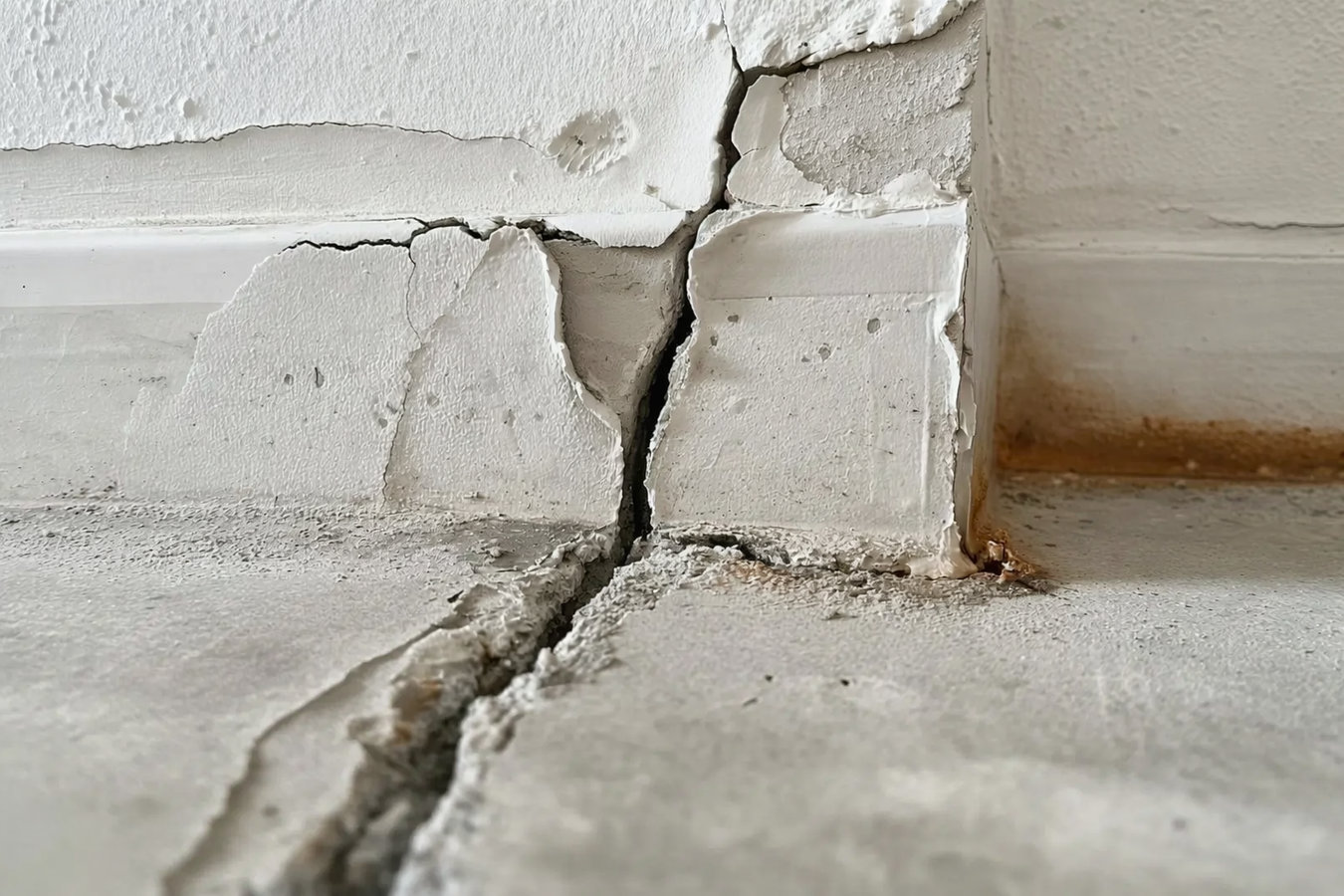
Big Spring clay soil shifts every dry summer and wet season - if your slab has dropped or your foundation has moved, we lift it back to level fast, for a fraction of what replacement costs.
Foundation raising in Big Spring lifts a sunken or settled concrete slab back to its original level by drilling small holes through the surface, pumping material underneath to fill voids and push the slab up, then patching the holes flush - most exterior slab jobs are done in a few hours and the area is usable the same day. The process avoids tearing out and replacing concrete that is still structurally sound, which is why it costs significantly less than full replacement. The soil in the Big Spring area is the root cause behind most settling here - the clay-heavy ground of the Permian Basin edge expands when it gets wet and contracts sharply during the long dry spells this part of Texas regularly sees, leaving voids beneath slabs that cause them to drop.
Foundation raising addresses the symptom and the slab, but the concrete structure itself needs to be in reasonable shape for the process to work. If a slab has broken apart badly rather than settled as a unit, our slab foundation building service covers full replacement when lifting is no longer the right answer.
When a foundation shifts, door frames and window frames go slightly out of square. Doors that used to swing freely now stick, drag, or will not latch. In Big Spring's clay soil, this symptom often appears after a long dry stretch when the ground has contracted beneath the slab.
Diagonal cracks running from the corners of doors and windows, or stair-step cracks in drywall, are a classic sign that the structure beneath has settled unevenly. A few hairline cracks are normal in any home - cracks that are growing wider or appearing in new places are the ones worth acting on.
If you can see a gap where a baseboard used to sit flush, or where the ceiling meets an interior wall, the structure has shifted. That kind of visible separation is a clear sign something has moved beneath the slab and the gap will not close on its own.
A driveway, sidewalk, or patio section that sits noticeably lower than the next one is a sign the soil beneath has given way. In Big Spring, this often happens after a dry summer followed by heavy rain - the clay shrinks, then gets hit with water it cannot absorb, and the slab drops.
We handle foundation raising for exterior concrete surfaces - driveways, sidewalks, patios, and garage aprons - as well as structural foundation repair for homes where interior living spaces have been affected by settlement. Every job starts with an on-site evaluation to measure elevation, assess the concrete condition, and identify the most likely cause of the movement. For exterior slab work, we confirm whether a permit is required and explain the process before any equipment comes out. We patch all drill holes flush and smooth, and we follow up with grading and drainage guidance to help keep the corrected surface stable through future dry and wet cycles.
For home foundations where movement has caused sticking doors, cracked walls, or sloping floors, the scope is larger and the approach is different. That work involves a detailed structural assessment - and in some cases a recommendation to involve a licensed structural engineer - before any repair method is proposed. We work with pilings and piers to reach stable soil below the problem zone when the situation calls for it. Regardless of scope, the job includes a written contract that spells out exactly what is being done and what warranty applies. If your project also needs sections of concrete removed or modified, our concrete cutting service handles that as part of the same job.
For driveways, sidewalks, and patio panels that have settled as a unit and are still structurally sound - typically done in a few hours with same-day use.
For home foundations where movement has affected interior living spaces - involves a detailed assessment and may include pilings or piers to reach stable soil.
For structures where the footing beneath a porch, addition, or outbuilding has settled, causing visible tilt or separation from the structure above.
The shrink-swell clay soil that sits across Howard County and the Permian Basin edge is the primary driver of foundation problems in this area. During Big Spring's prolonged dry spells, that clay pulls away from the underside of slabs and foundations, creating voids that allow the concrete to drop. When rain arrives - often in heavy bursts that the hard-packed ground cannot absorb quickly - the soil expands again, but the slab does not always come back up with it. Homes built in the 1950s, 1960s, and 1970s, which make up a large share of Big Spring's housing stock, have had decades of this cycle working on their foundations. If you are seeing new cracks or sticking doors heading into a dry summer, the problem is unlikely to correct on its own. Big Spring homeowners on every side of town deal with this - it is not a neighborhood-specific issue, it is a soil issue.
The same soil conditions affect neighboring communities we regularly serve. In Stanton and the surrounding Martin County area, the clay and caliche mix behaves similarly, and foundation settling is a consistent concern for homeowners there as well. A contractor who knows what this soil does across dry and wet years - not just what the standard repair textbook says - is the one who can give you an honest read on what your foundation actually needs and what to expect going forward.
Call or message us to describe what you are noticing - sticking doors, cracked walls, a sunken slab, or uneven floors. We schedule a site visit to look at the problem in person. Replies within 1 business day.
We walk the property, measure slab elevations, and look for the cause of the movement. For home foundations, this may include a more detailed inspection before any numbers are discussed. You get a written estimate that explains what work is proposed and why.
For structural foundation work on your home, we pull the permit before any crew arrives. Permitted work means an inspector will verify the job was done correctly - that record protects you now and at resale. For exterior slab lifting, we confirm permit requirements upfront.
For slab lifting, the crew drills small holes, pumps material underneath to fill voids and raise the slab, then patches the holes smooth. Most jobs are done in a few hours. Before we leave, we walk through drainage recommendations to slow future movement.
Free on-site estimate, written contract, and honest advice on what your slab or foundation actually needs - no pressure to sign the same day.
(432) 263-5443The shrink-swell clay that runs through Howard County and the surrounding Permian Basin is not a surprise to us - it is the soil we work in on every job. We diagnose settling with the local soil cycle in mind, not just the visible symptom.
Texas has specific consumer protection rules for foundation repair contracts, including warranty requirements. We provide a clear written contract before any work begins, and we explain exactly what the warranty covers - and what it does not - before you sign.
Texas requires a license for residential foundation repair work. You can verify any contractor's license through the Texas Department of Licensing and Regulation at tdlr.texas.gov. We are happy to provide our license number so you can confirm it before agreeing to anything.
A contractor who only lifts the slab without addressing drainage is leaving you set up for a repeat problem. After every job, we advise on grading and moisture management around your foundation - the steps that make the repair last through Big Spring's dry and wet cycles.
Foundation problems in Big Spring are not a sign of poor construction - they are a predictable result of building on soil that moves. What separates a good repair from a short-term fix is whether the contractor understands the soil, handles the paperwork correctly, and gives you the drainage guidance that keeps the repair lasting. Those are the things we focus on with every foundation raising job we take on in this area. For more detail on Texas foundation repair contractor licensing, see the Texas Department of Licensing and Regulation, where you can verify any contractor's license before signing a contract.
Precision cutting of existing slabs and surfaces when sections need to be removed or modified.
Learn MoreFull slab pours for new construction when a foundation needs to be replaced rather than raised.
Learn MoreThe longer a settled slab or foundation sits, the more the soil cycle can push the problem further - call now and lock in your free on-site estimate before the next dry season.