
Loading...
Serving Big Spring, TX and surrounding areas. (432) 263-5443
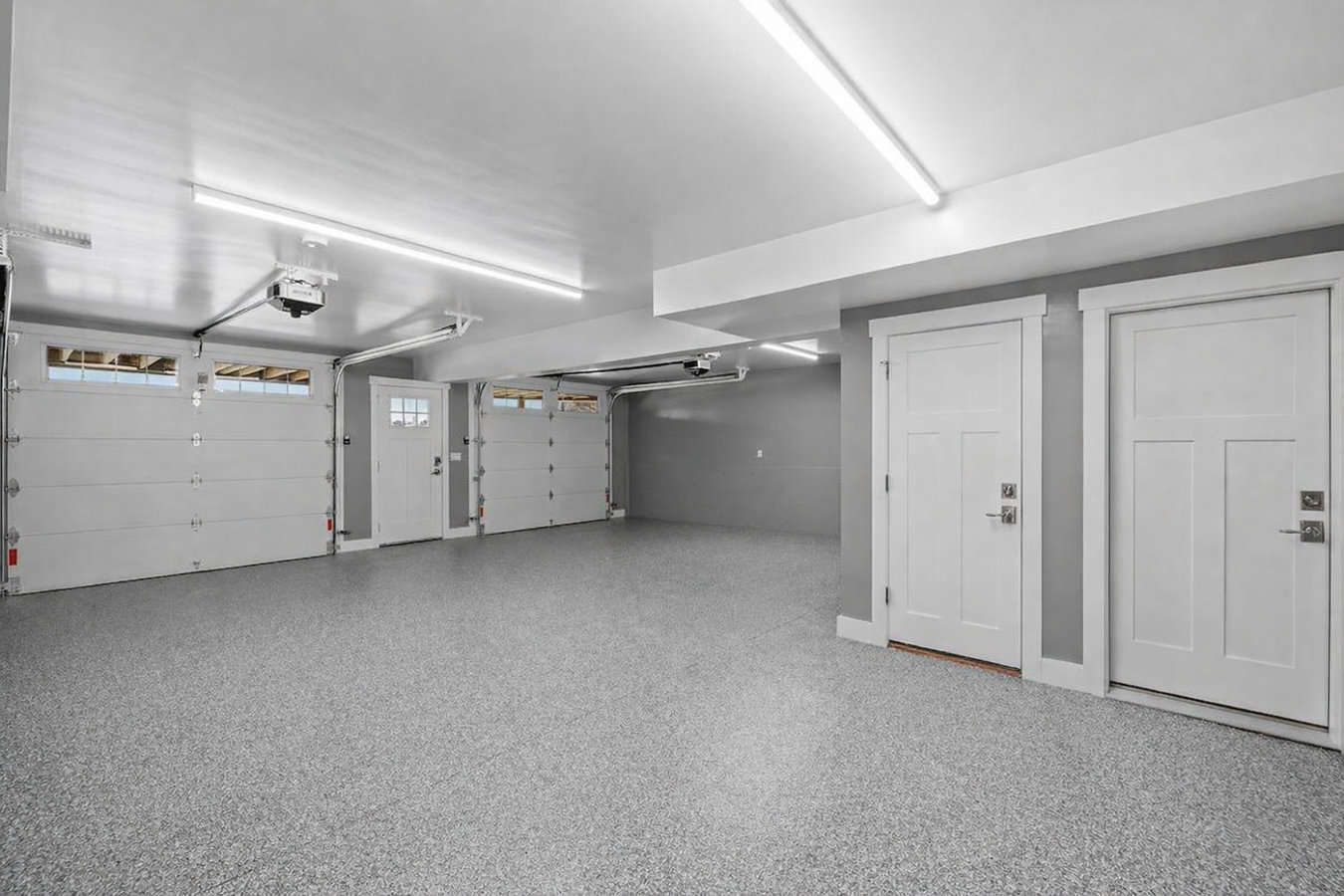
Cracked, shifting, or just a dirt floor? A properly poured concrete garage floor handles vehicle weight, resists West Texas dust, and holds up through the soil movement this area is known for.
Garage floor concrete in Big Spring, TX starts with removing any existing slab, compacting the soil underneath, and pouring fresh concrete to a consistent thickness - most standard two-car garage jobs are completed in a single pour day, with light foot traffic possible within 24 to 48 hours and vehicles back on the floor within several days. What separates a long-lasting garage floor from one that starts cracking within a few years is the base preparation work that happens before the concrete ever arrives. In Big Spring, that means addressing the clay soil that is common across this part of West Texas.
Many homeowners pair a garage floor project with decorative concrete finishes like epoxy coatings or stained surfaces, which can be applied once the slab has fully cured - typically several weeks after the pour. Whether you want a plain sealed floor or a finished showroom look, the foundation of the project is the same: a properly prepared, reinforced, level slab.
If the cracks in your garage floor have widened over time, or if one section sits higher or lower than the rest, the slab is no longer doing its job. In Big Spring, clay soil underneath is usually the cause, and patching individual cracks rarely fixes the underlying movement.
Low spots that collect water are a sign the floor was not poured level, or that the slab has settled unevenly. Standing water in a garage leads to staining and surface deterioration, and it can work its way under the slab and worsen soil movement - a real concern given the clay soils common here.
If the top layer of your garage floor is peeling away in chunks or flaking off in patches, the concrete has reached the end of its useful life. This breakdown makes the floor harder to clean, harder to coat, and rough on tires and feet. Resurfacing helps only if the structural slab underneath is still sound.
Some older homes in the Big Spring area have garages with unpaved floors. A concrete slab transforms that space into something genuinely usable - easier to clean, pest-resistant, and ready for storage, a workshop, or parking without the mud and dust that comes with bare ground.
We handle complete garage floor projects from demolition to the finished surface. That includes breaking up and hauling away old slabs, grading and compacting the subgrade, installing rebar or wire mesh reinforcement, and pouring a slab to the correct thickness for your intended use. Every job gets control joints placed intentionally - those straight lines guide any cracking to predictable spots and are one of the most overlooked details that separates quality work from a rushed pour.
We also offer sealed and finished floors for homeowners who want more than plain gray concrete. A quality sealer is a smart investment in Big Spring's dusty conditions, and it makes the floor much easier to maintain over time. For homeowners who want a fully finished floor with color and texture, we work alongside concrete floor installation options that include decorative coatings once the slab has cured.
For garages with no existing floor - we grade, compact, reinforce, and pour from the ground up.
When an old floor has cracked, shifted, or settled too far to patch - we remove and rebuild it correctly.
For homeowners who want a surface that is easy to clean and resists the dust and oil common in working garages.
Big Spring sits in the Permian Basin region of West Texas, where summer temperatures regularly climb above 100 degrees Fahrenheit and the soil is loaded with clay that swells and shrinks with every wet and dry cycle. That combination makes garage floor work here more demanding than in most parts of the country. When temperatures are high, fresh concrete sets faster than normal - which can lead to surface cracking if the crew does not adjust the mix or work quickly. Experienced local contractors schedule pours for early morning, use admixtures that slow the set time, and keep the fresh slab protected from wind and sun during the curing window. The American Society of Concrete Contractors publishes guidance on hot-weather concreting practices that reflect the real challenges crews face in climates like ours.
The clay soil problem affects properties across Big Spring and throughout surrounding communities like Stanton and Andrews. When rain soaks into poorly drained soil under a slab, the clay expands; when the long dry spells return, it contracts. Over time this cycle can cause a slab to heave or settle unevenly. Good drainage grading around the garage and a well-prepared base layer are the two most important defenses - and both need to happen before the concrete truck arrives.
Describe your garage size, whether there is an existing slab, and any finish preferences. We respond within 1 business day and schedule a free visit to measure the space and assess the conditions.
We check the soil condition, drainage around the garage, and how much base preparation is needed. In Big Spring, this step matters more than in most places because of the clay soil - a contractor who skips a thorough look is a warning sign.
Old slabs are broken up and hauled away. We grade and compact the subgrade, install reinforcement, then pour in the early morning to avoid the worst of the heat. Control joints are tooled in before the concrete sets.
We apply a curing compound to slow moisture loss - especially important in West Texas's dry conditions. We walk you through the timeline: when to avoid foot traffic, when vehicles can return, and when to add a sealer if you want one.
We respond within 1 business day. No obligation after your estimate. Once you submit, someone from our team will reach out to schedule a free on-site visit to measure the space and review the soil conditions.
(432) 263-5443Big Spring summers regularly push above 100 degrees Fahrenheit. We schedule pours for early morning, use retarding admixtures when needed, and protect fresh slabs from wind and sun. Your floor will not show surface cracks from a rushed summer pour.
The clay soils in the Big Spring area expand and contract with moisture changes. We compact the subgrade and address drainage before the first drop of concrete is poured. That base work is what separates a floor that lasts from one that cracks within a few years.
We carry general liability and workers compensation coverage. Texas contractor licensing can be verified through the Texas Department of Licensing and Regulation. Ask for our certificate before work starts - a legitimate contractor will hand it over without hesitation.
Every project gets a written contract covering dimensions, slab thickness, reinforcement plan, and finish type. The American Concrete Institute sets industry standards for slab construction that guide our work on every job.
Every one of these points comes down to the same thing: we know what it takes to build a concrete floor that lasts in this specific part of Texas. We work here, we understand the soil and the weather, and we build accordingly.
Transform a plain garage slab with stamped patterns, stained color, or an epoxy coating that is easy to clean and holds up to daily traffic.
Learn MoreFor interior floor projects beyond the garage - workshops, additions, and utility spaces built on a properly prepared concrete base.
Learn MoreSpring and fall are the best seasons for a smooth pour - our schedule fills up fast, so reach out now to lock in your project date.